nat-2™ x Talia Luvaton
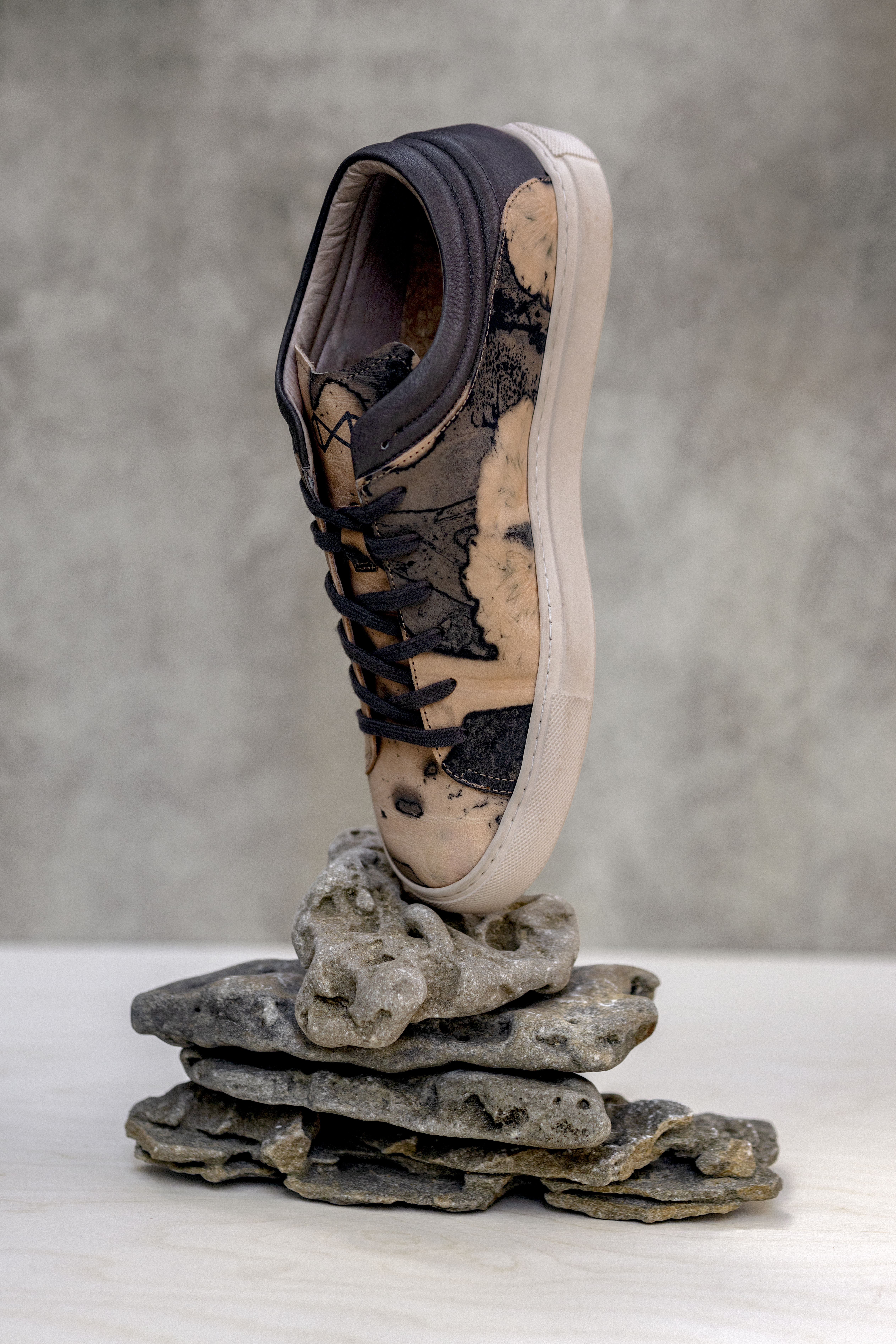
nat-2™ x Talia Luvaton – Sneakers made from Rusted Leather
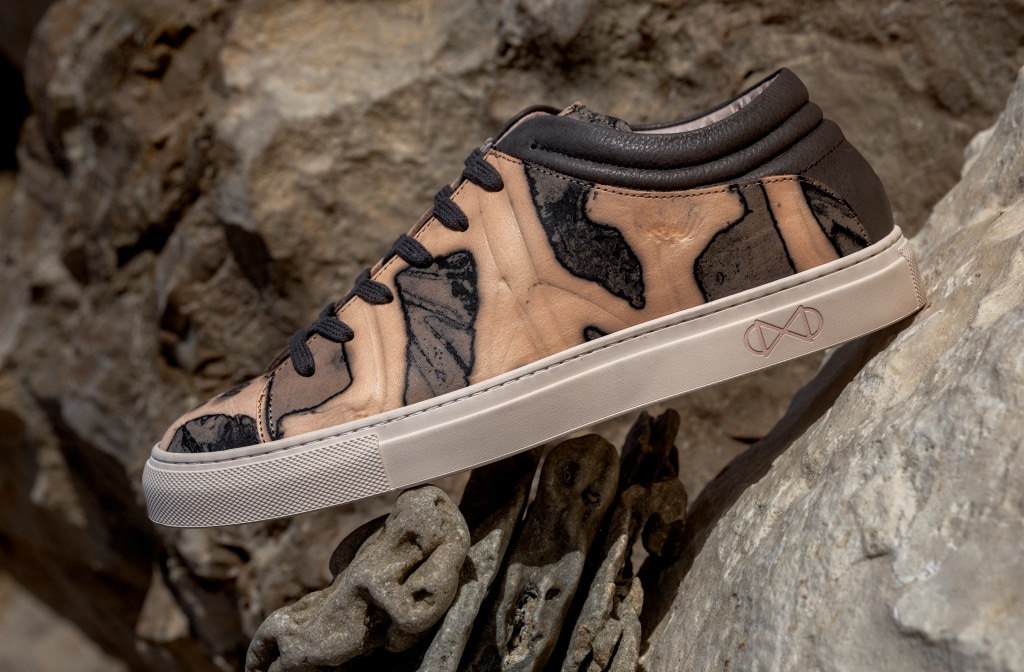
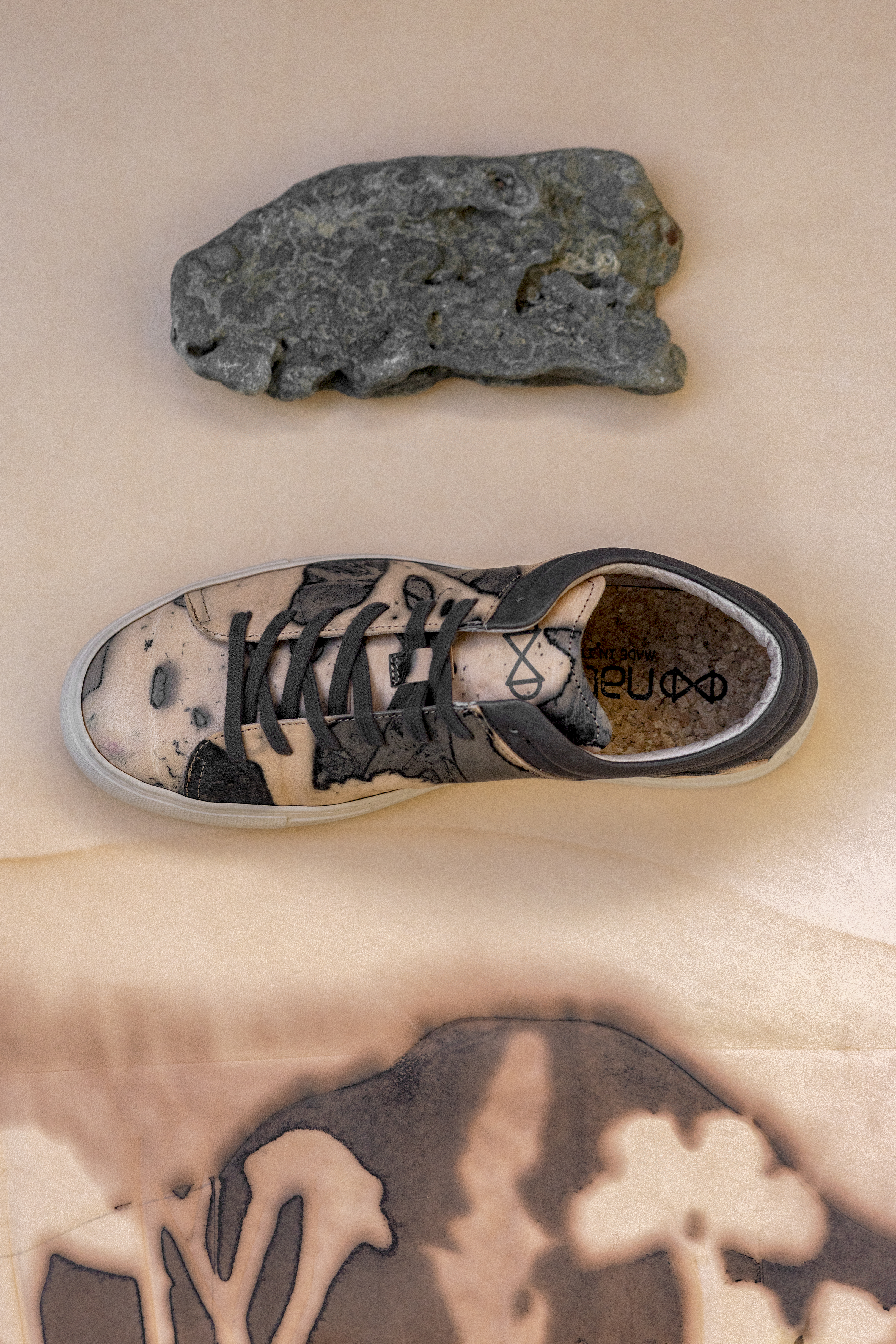
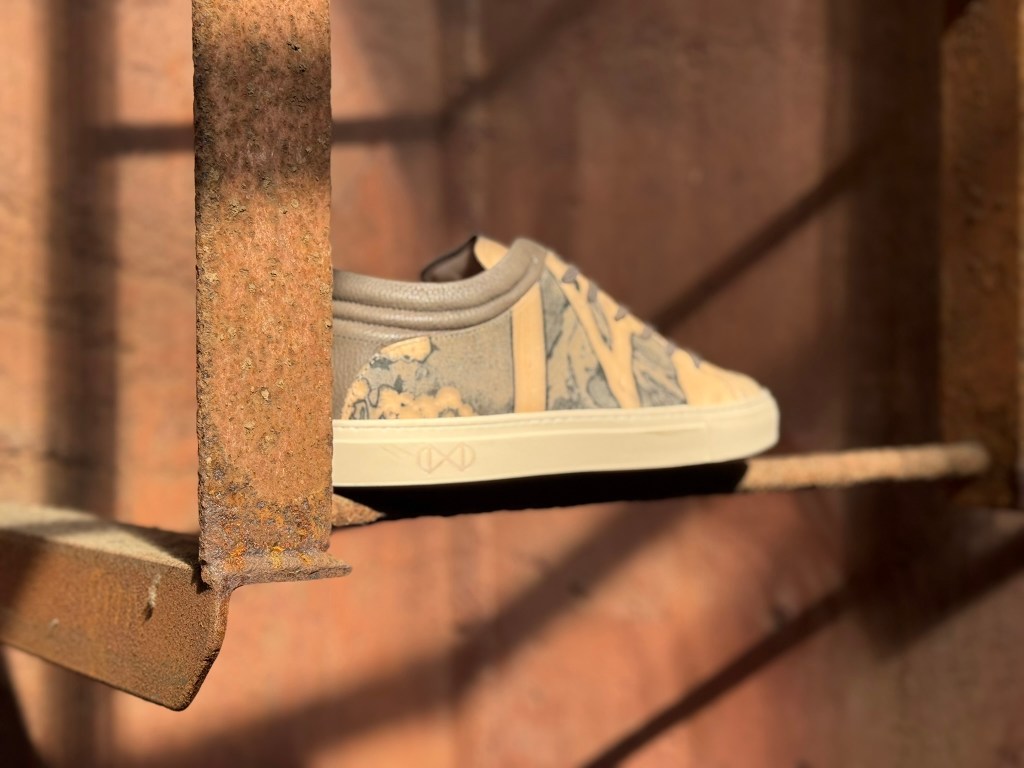
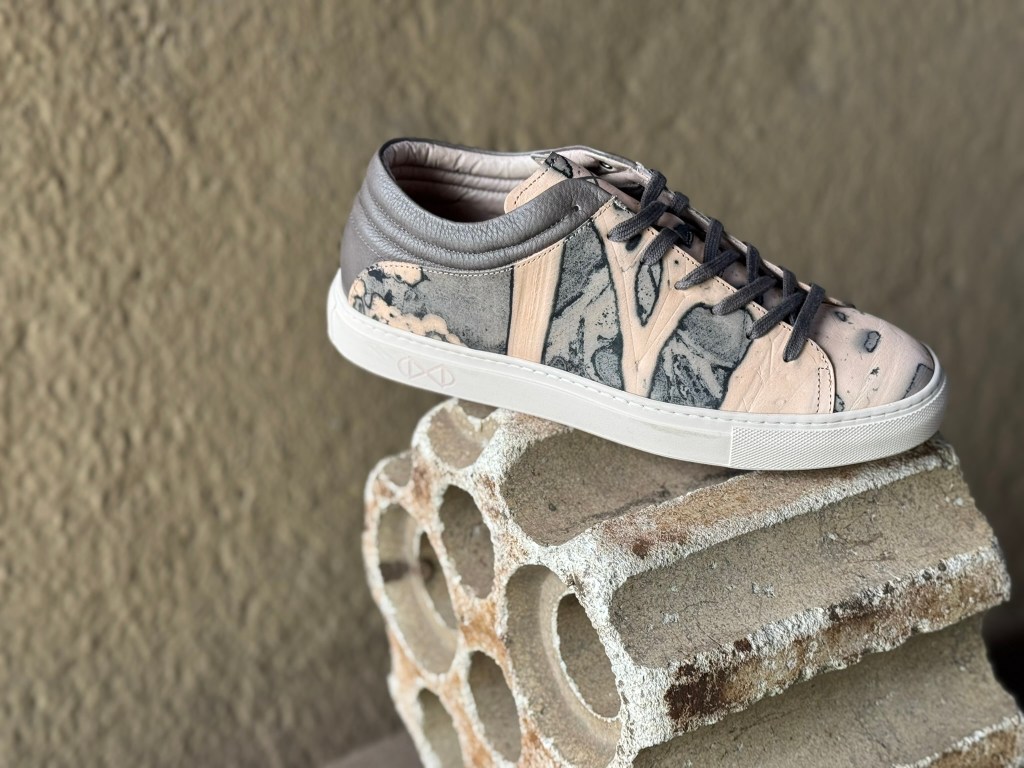
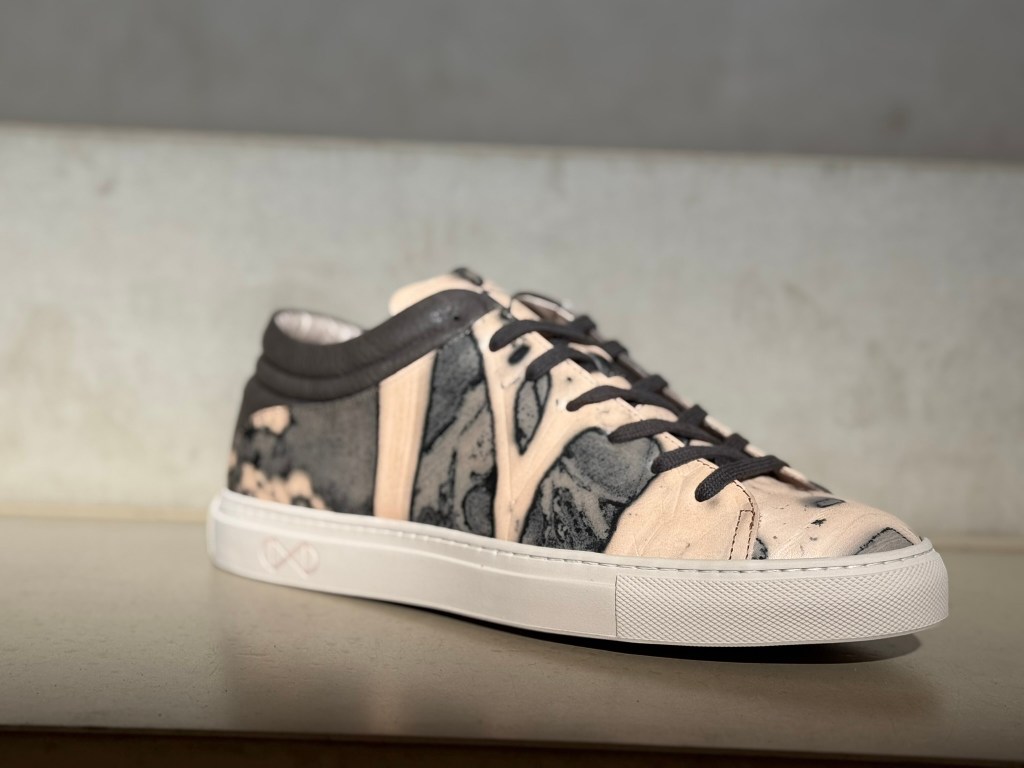
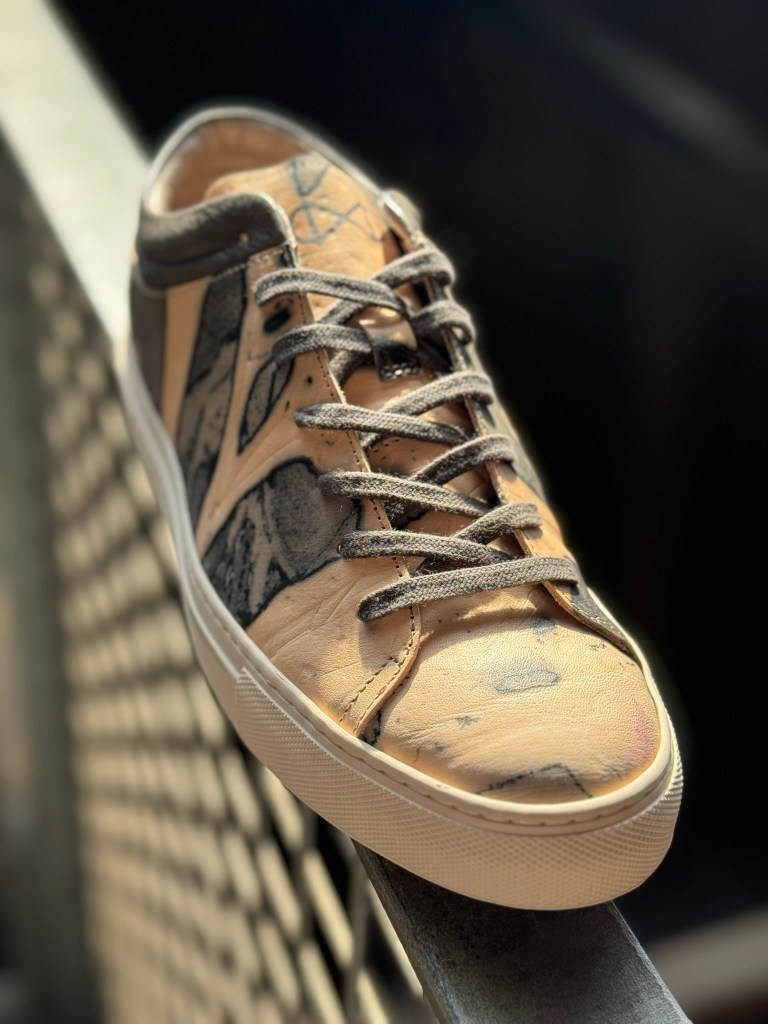
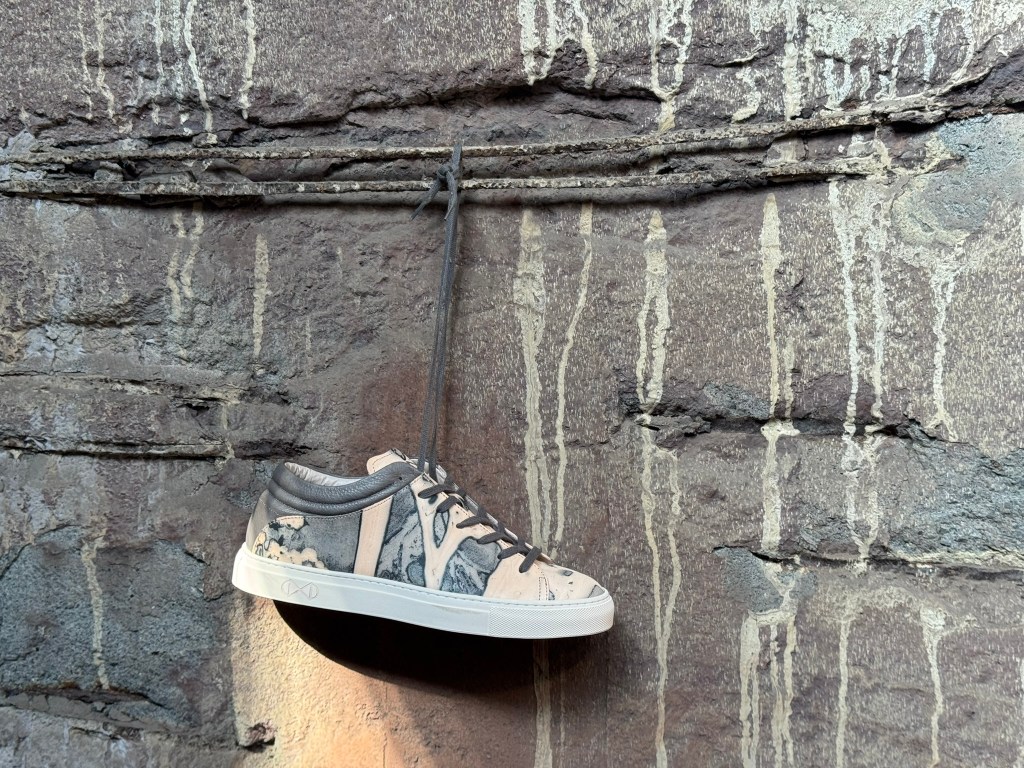
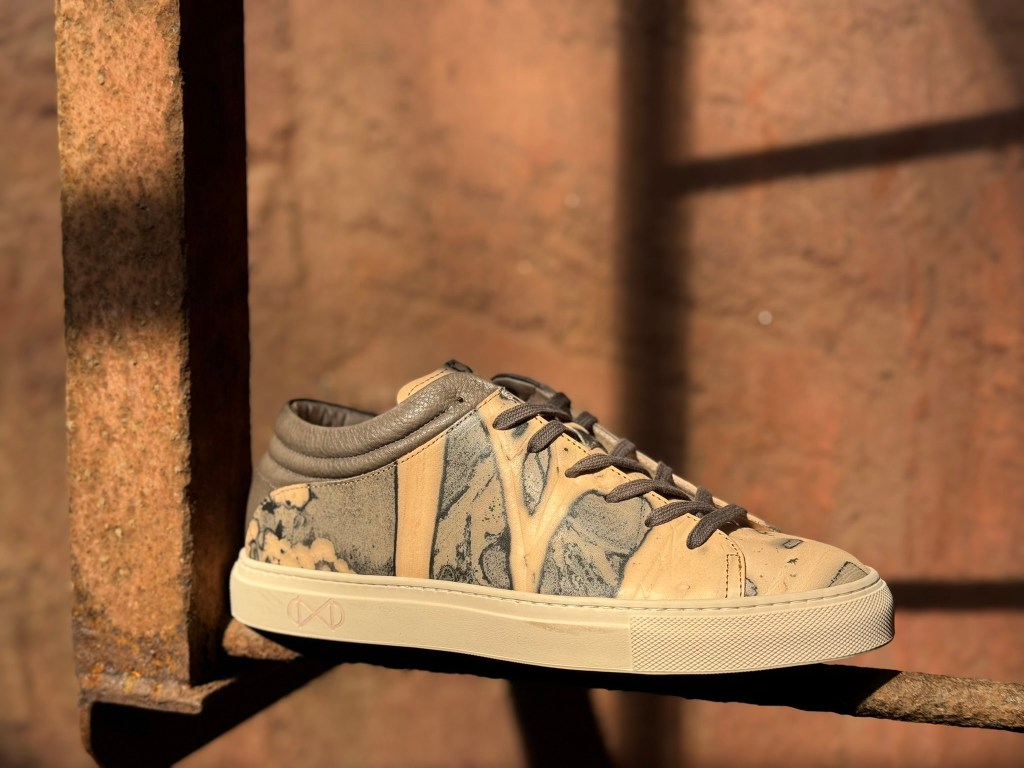
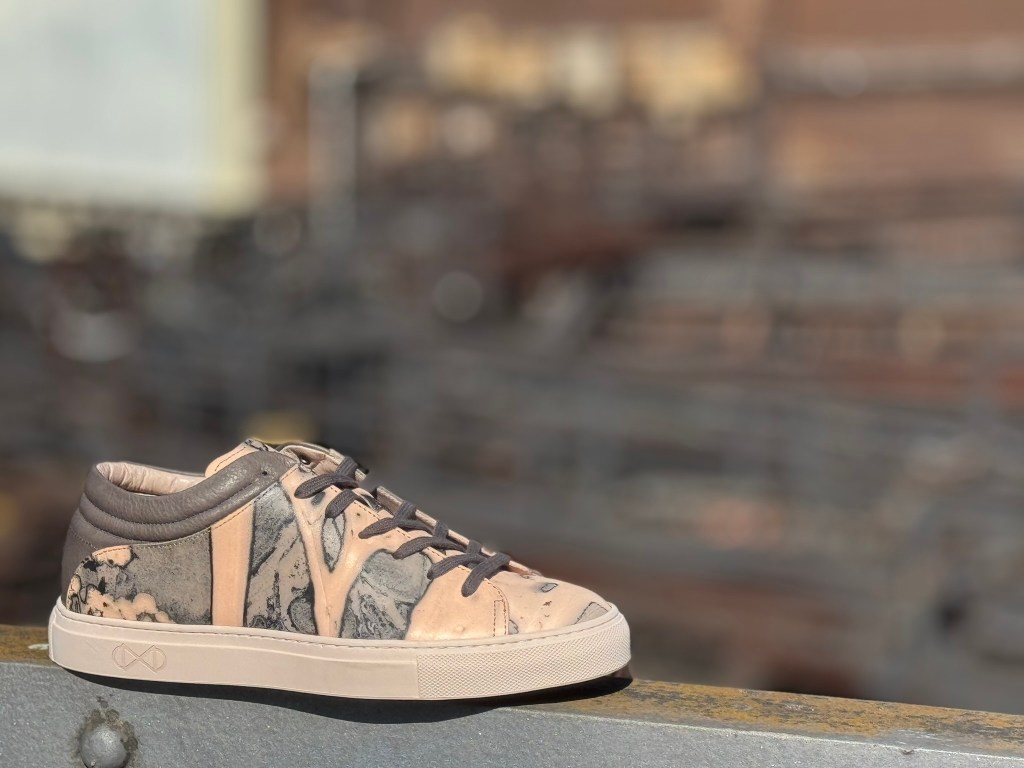
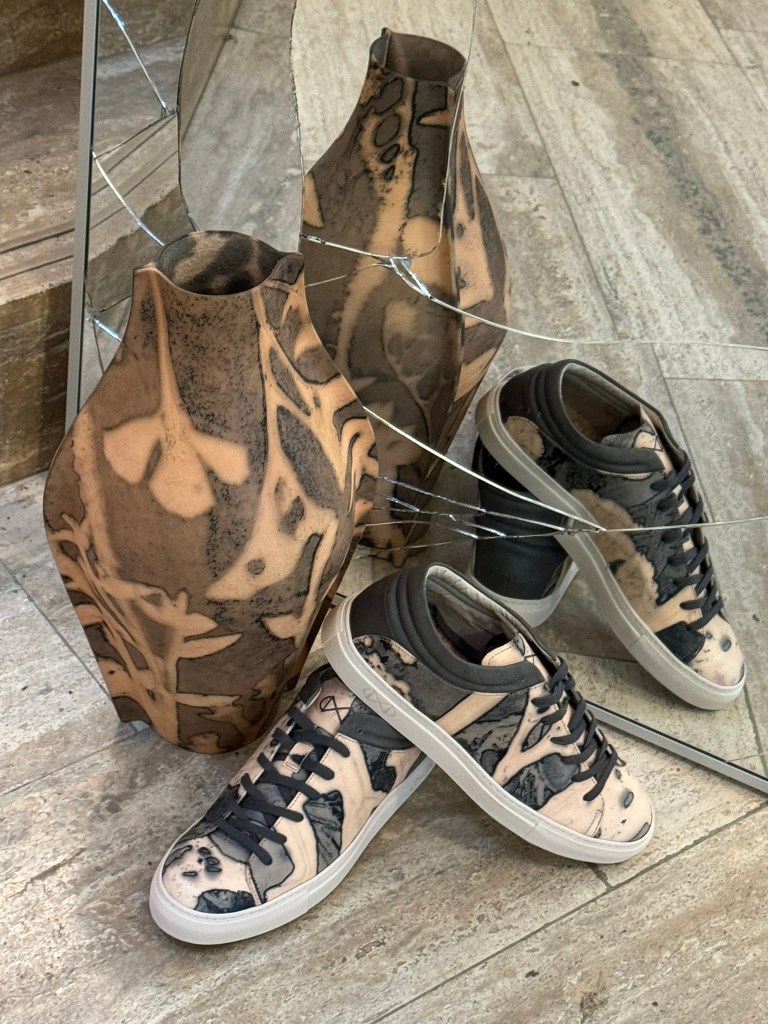
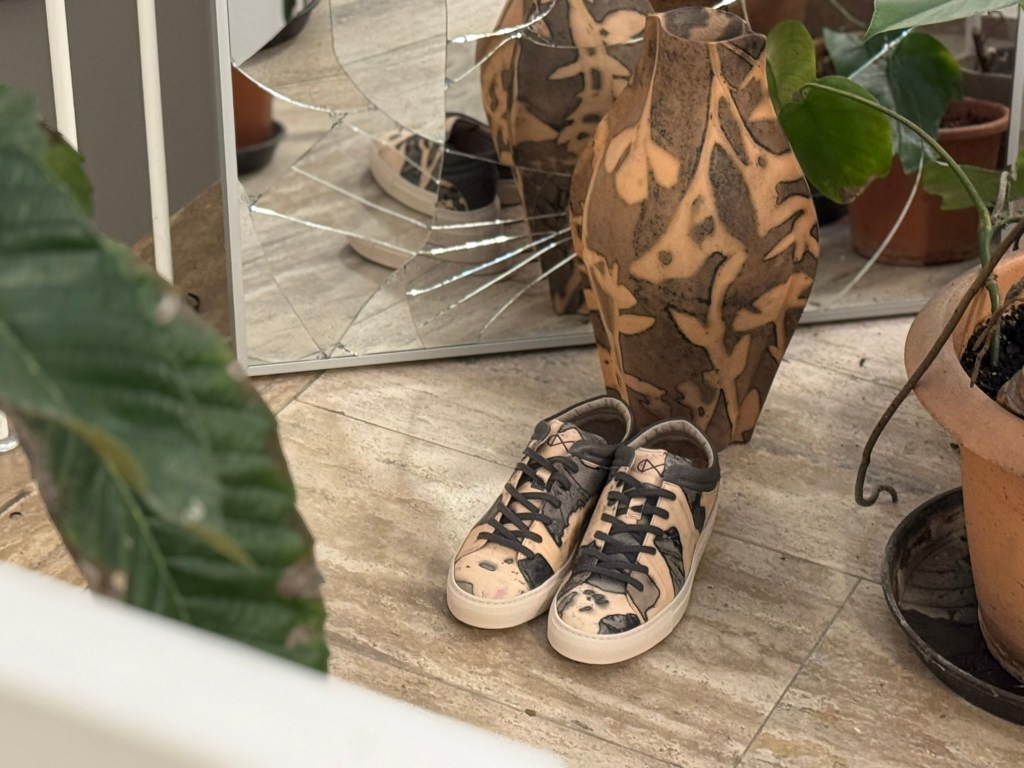
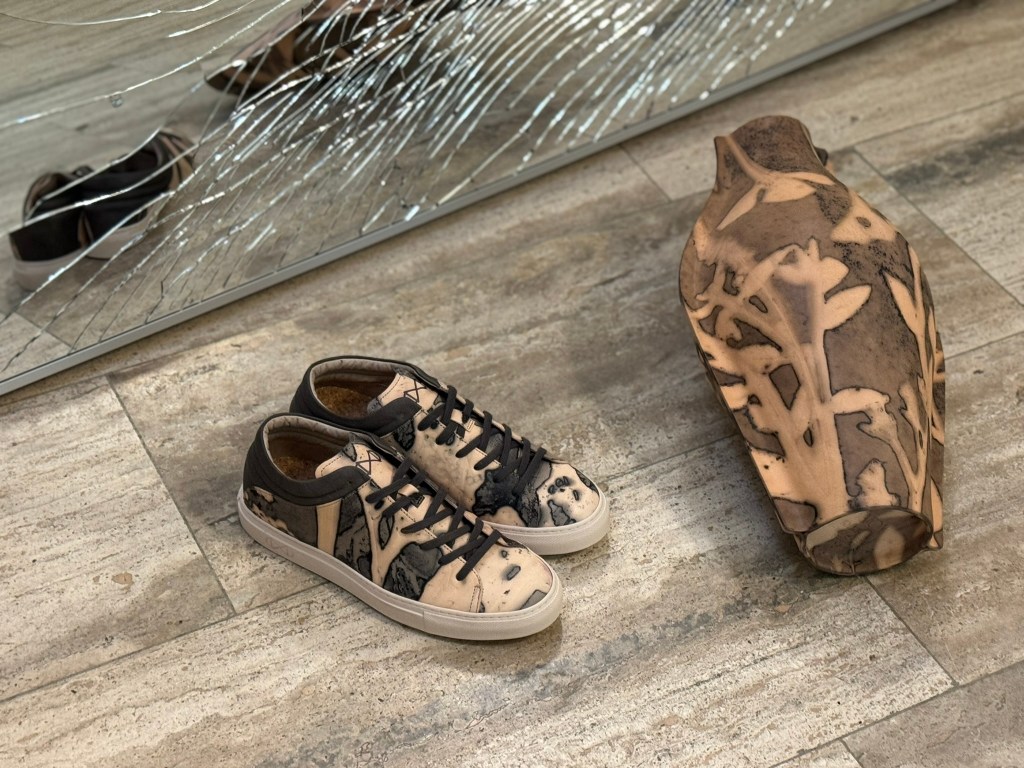
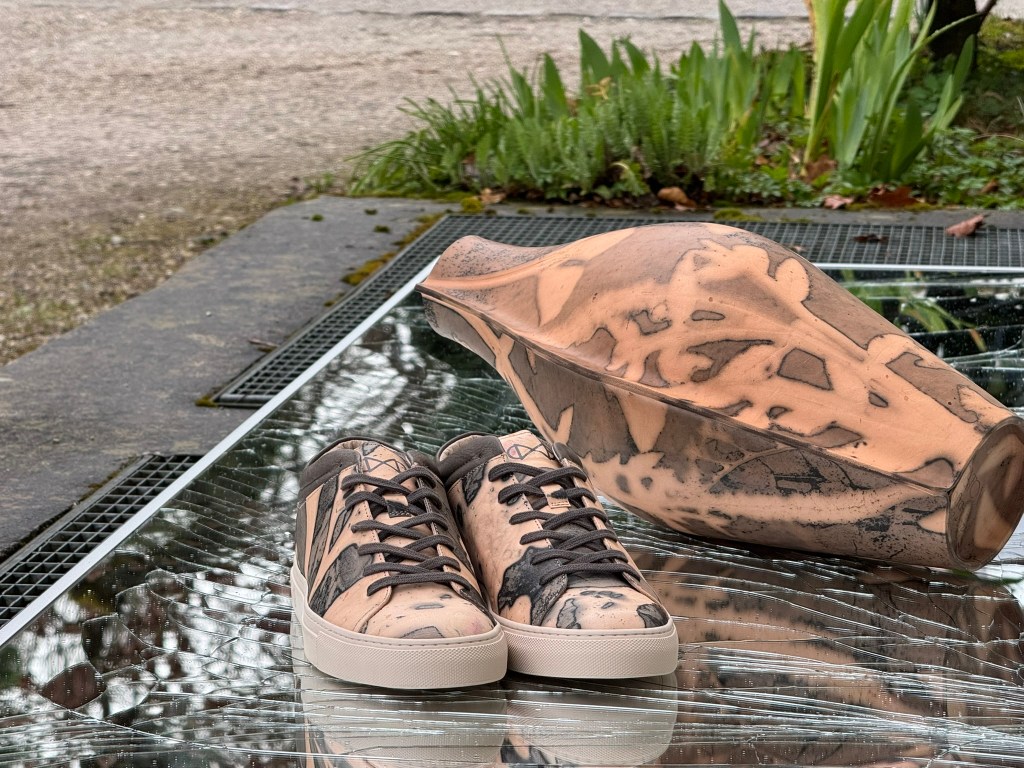
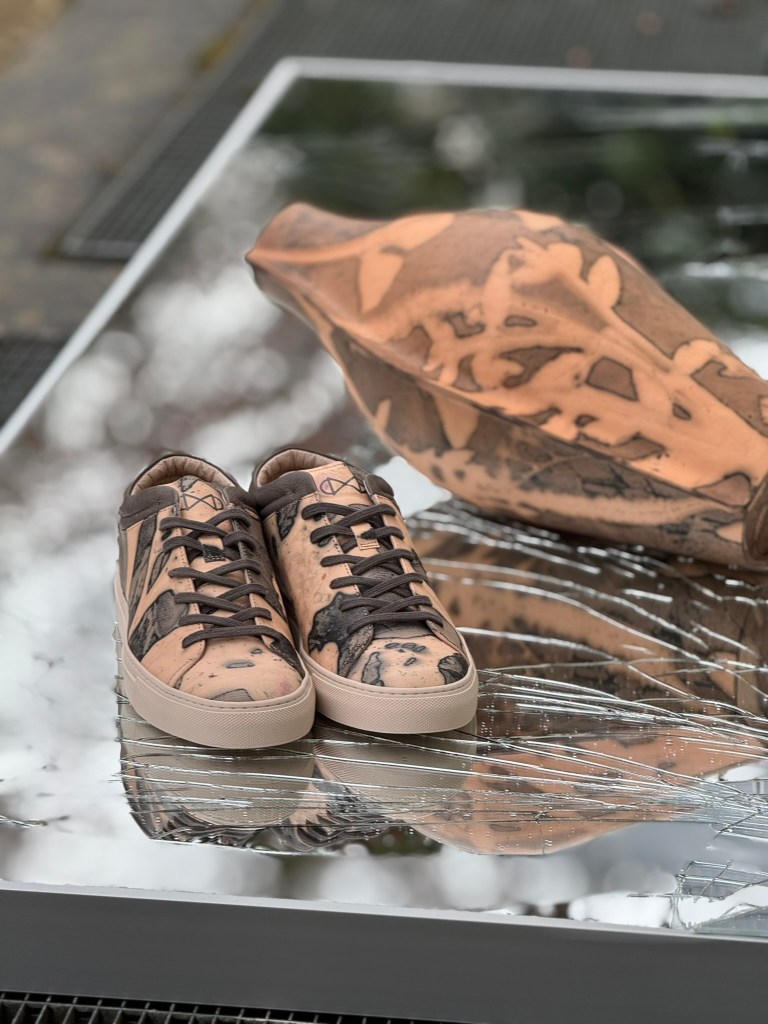
Munich based high end footwear brand nat-2™ and designer Talia Luvaton present a very special collaboration by launching handmade sneakers made from flower rusted leather.
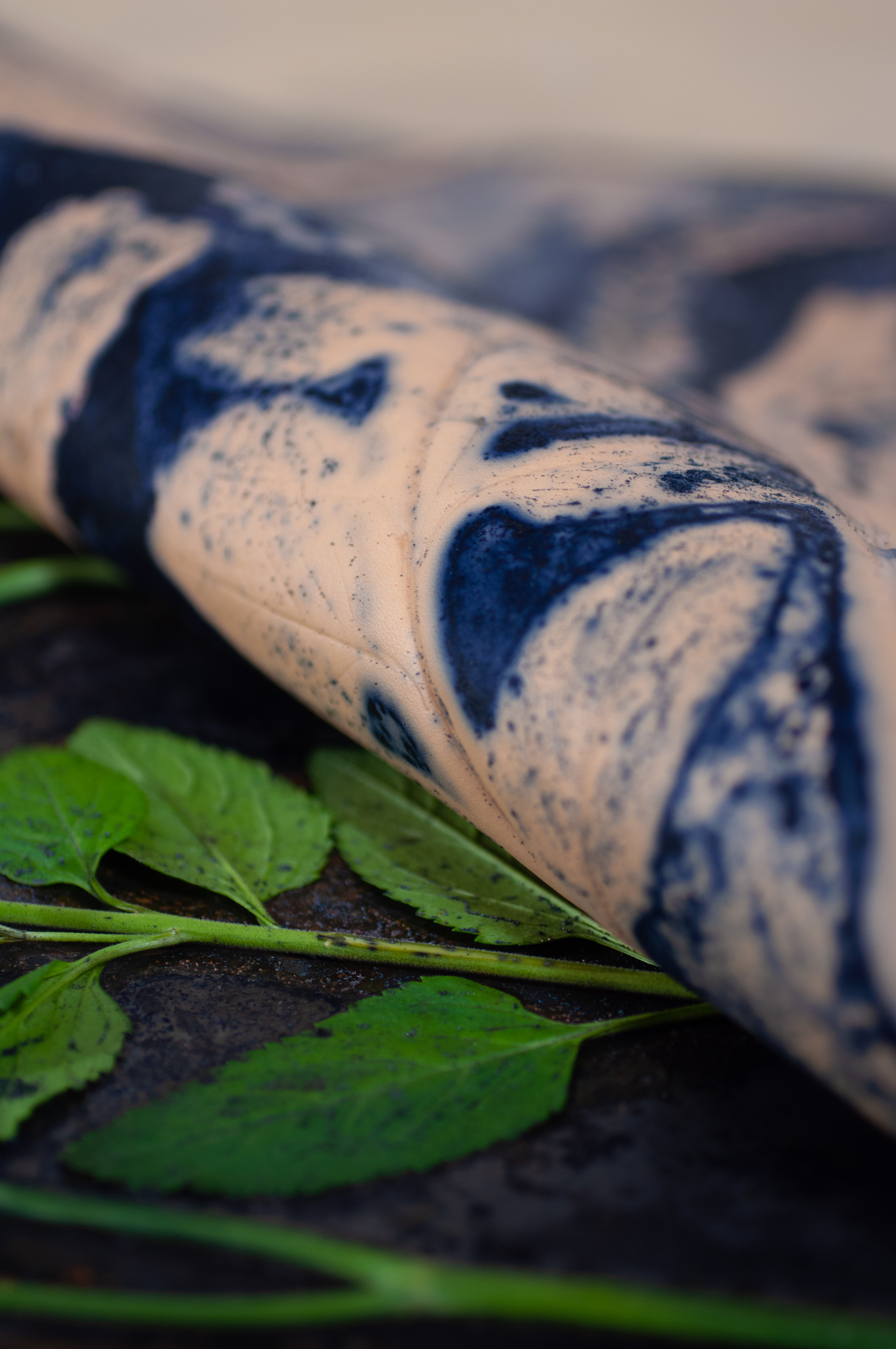
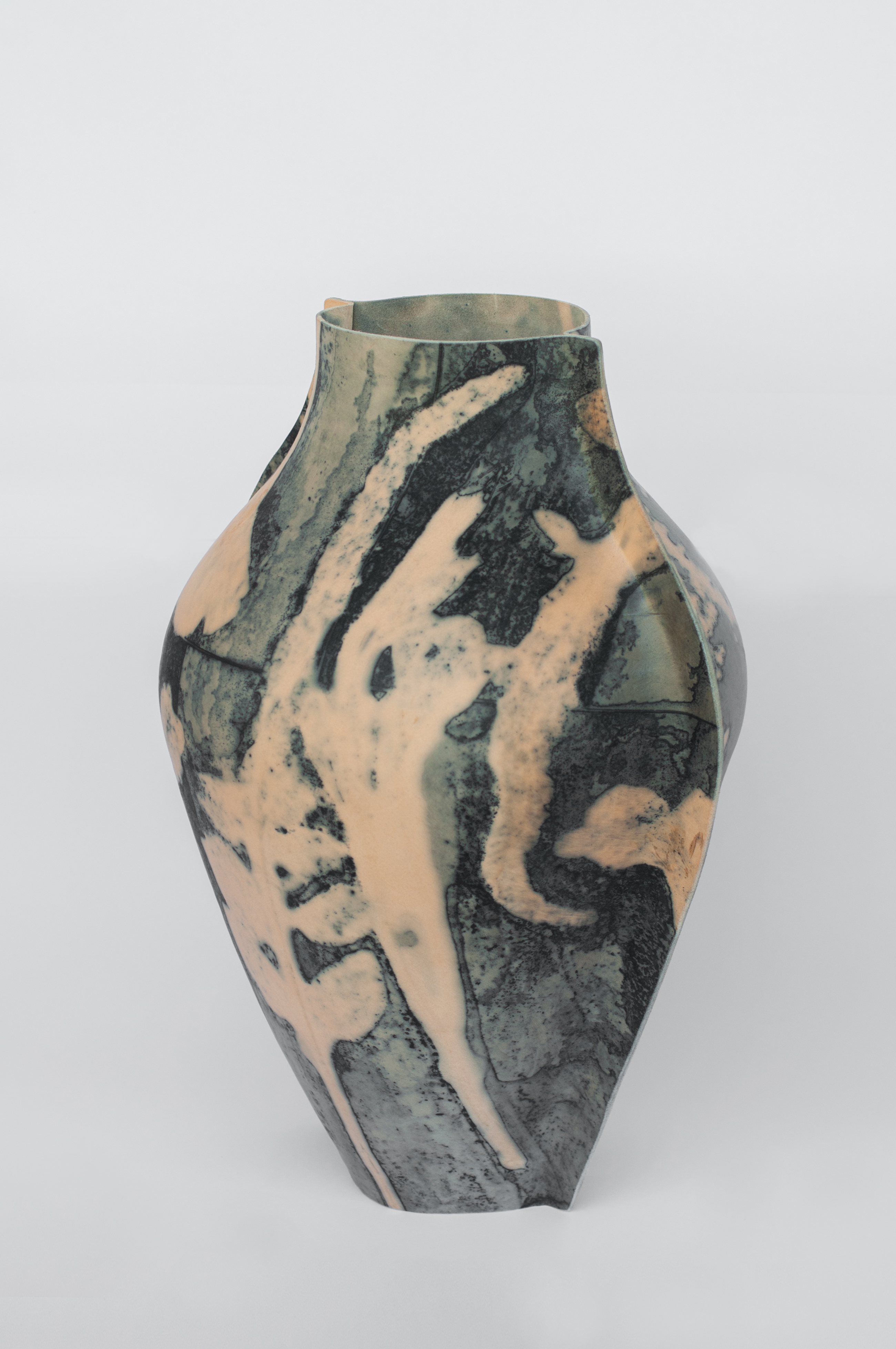
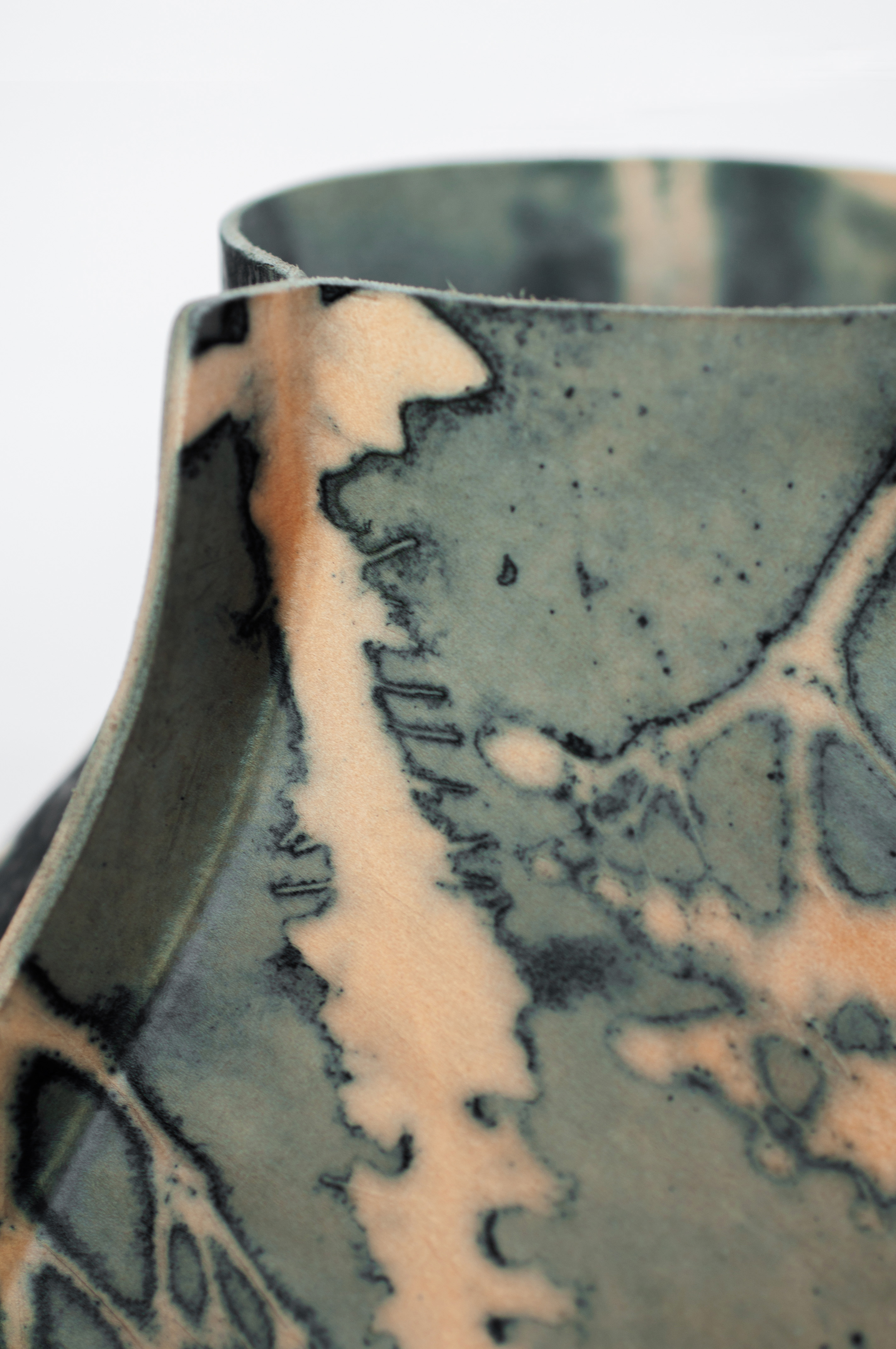
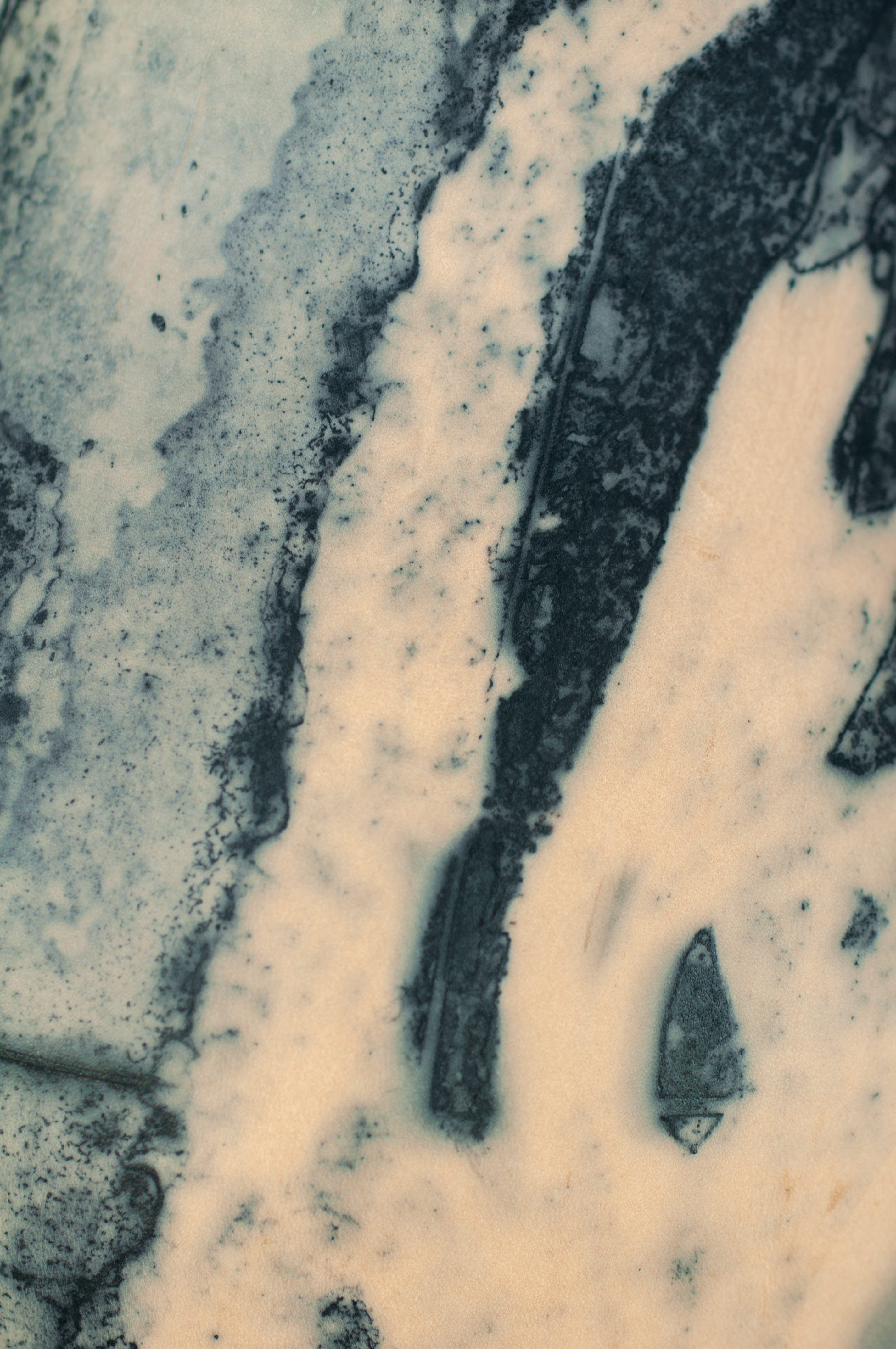
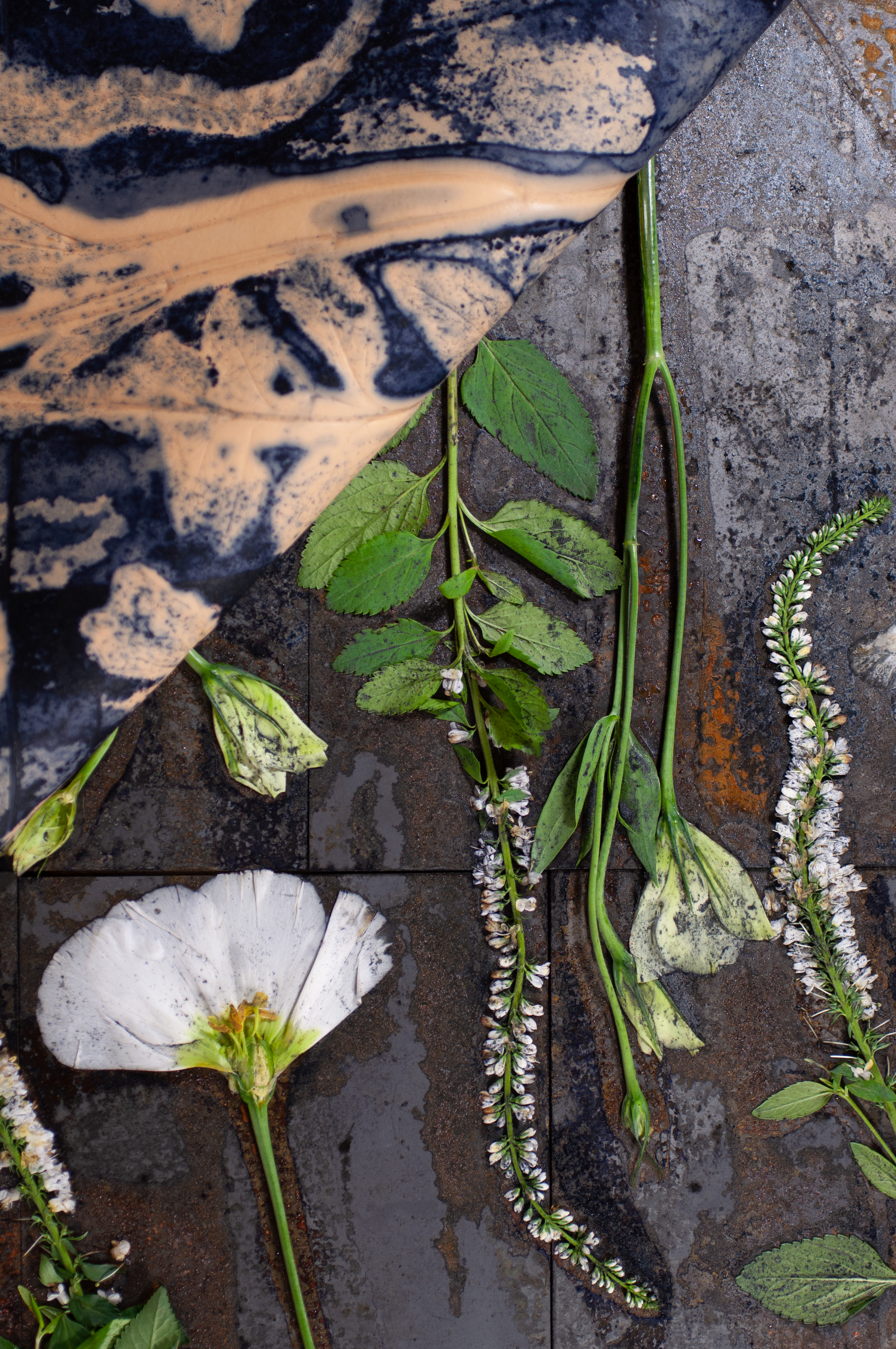
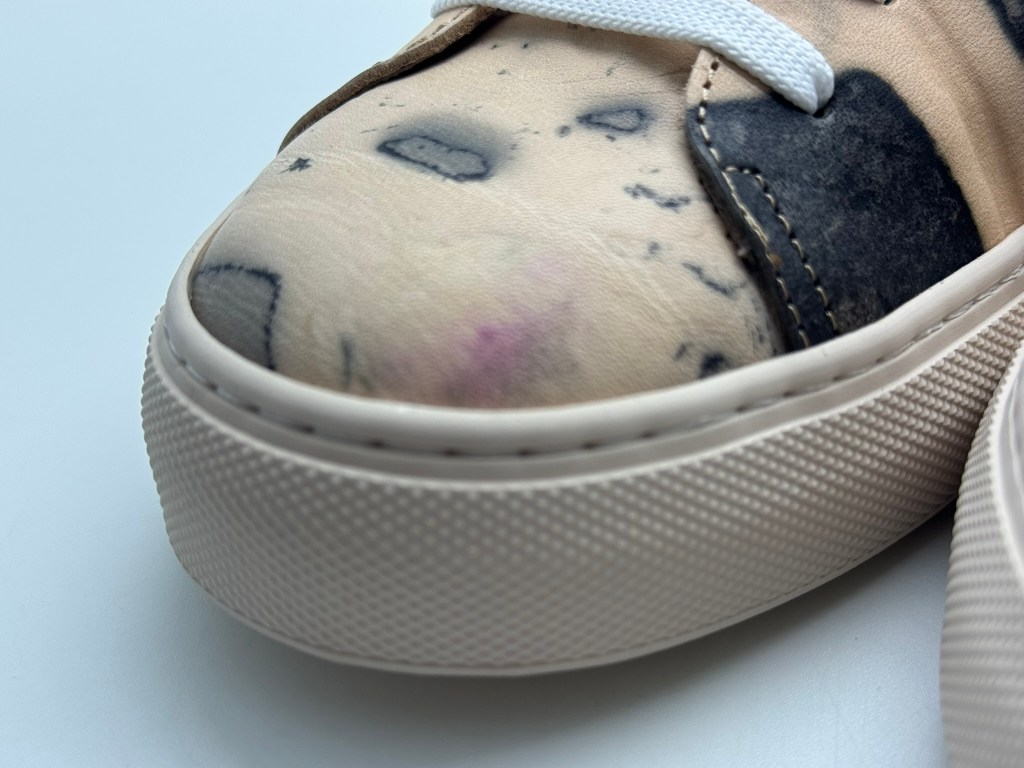
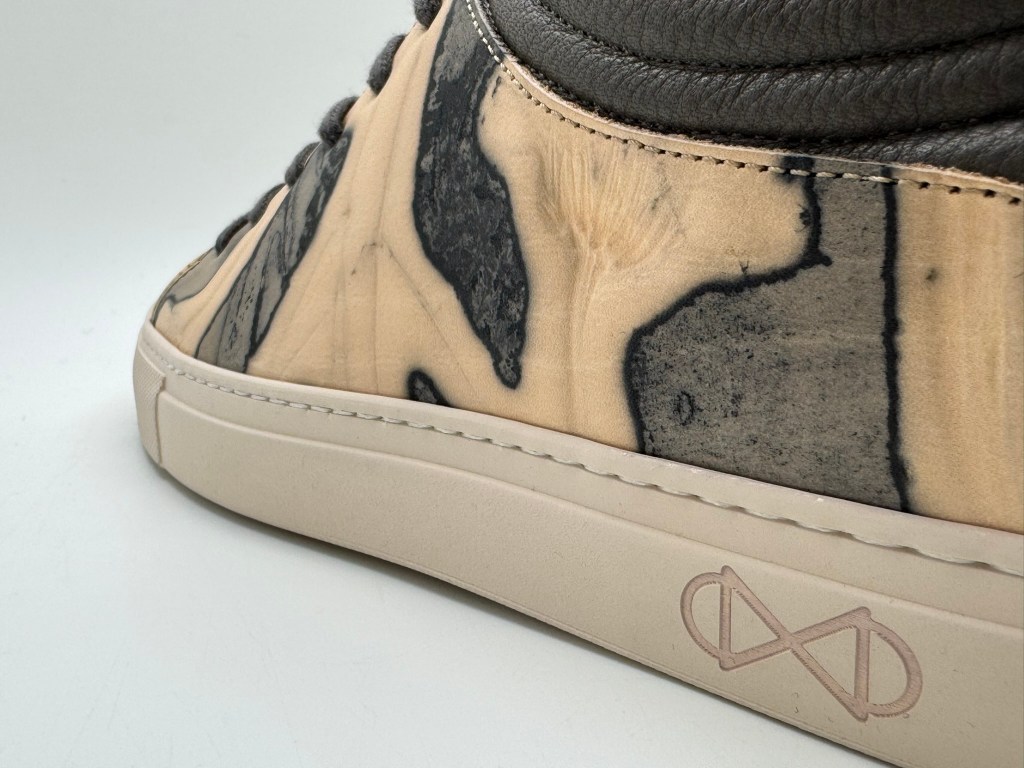
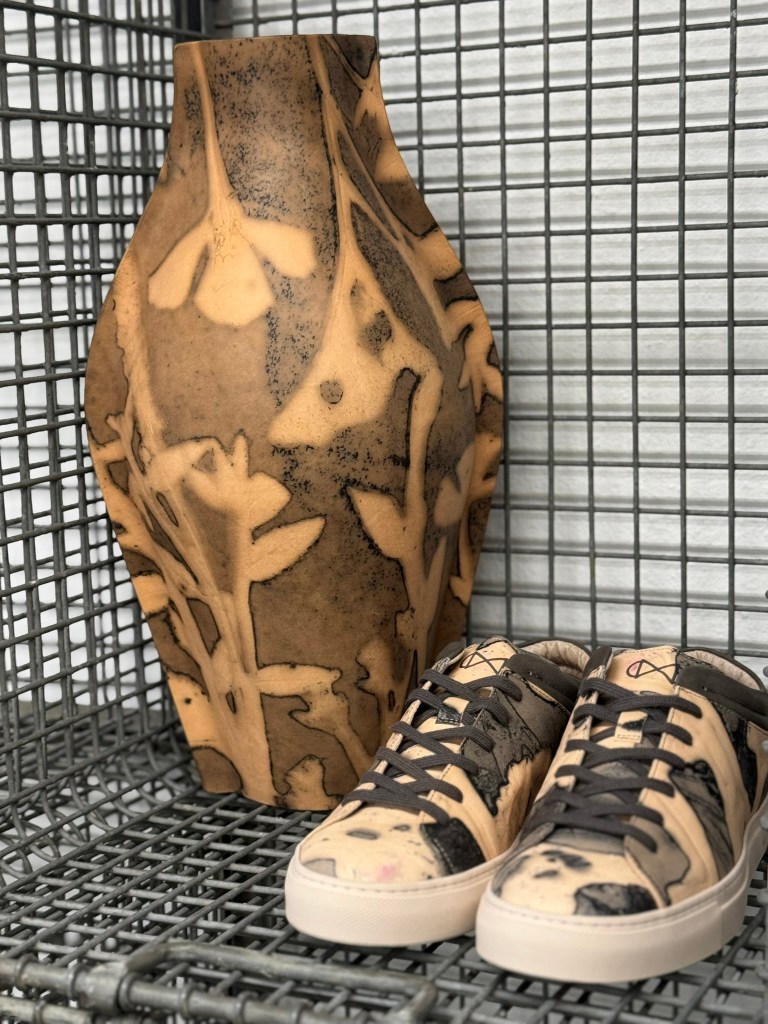
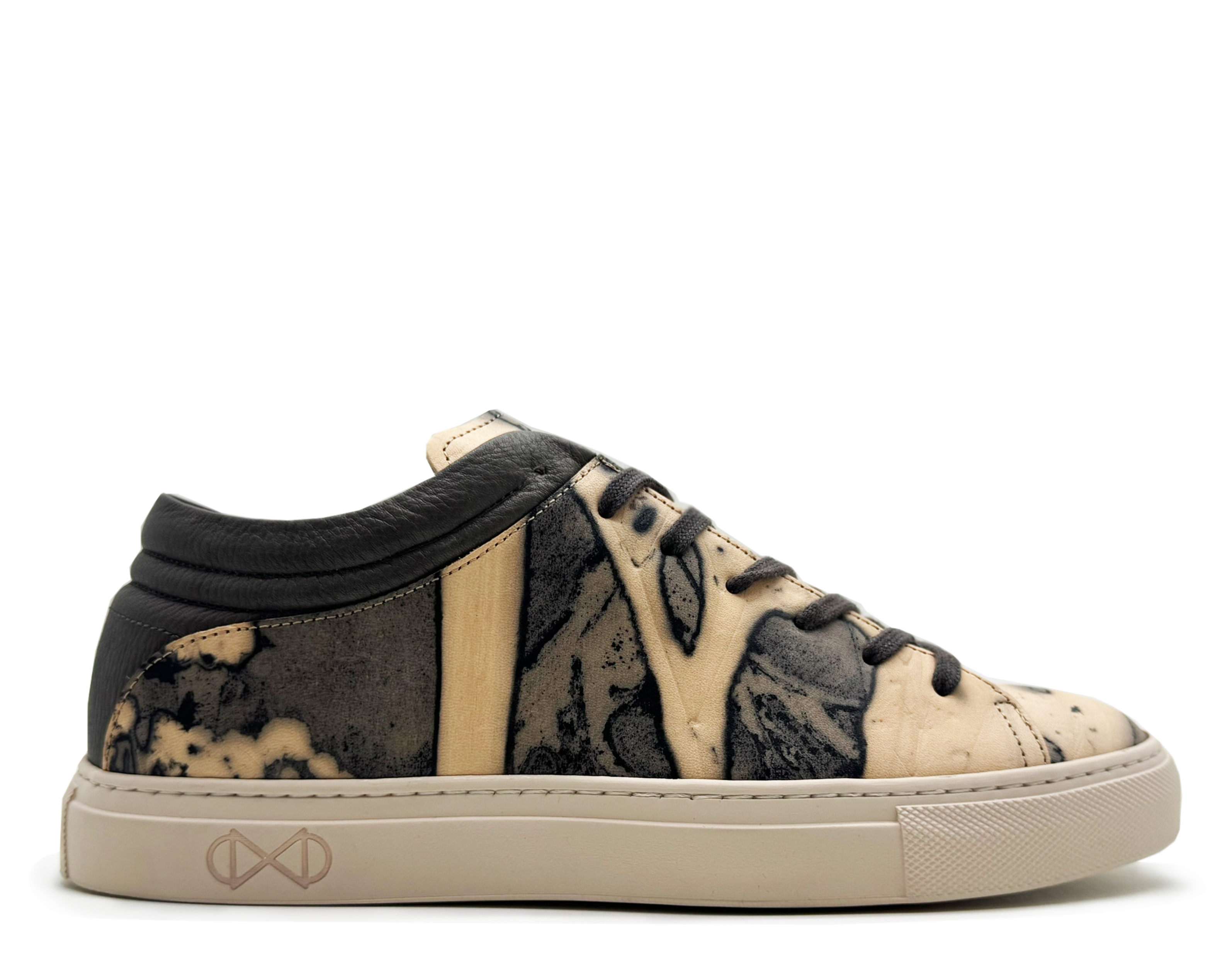
The sneakers, designed by nat-2™ founder Sebastian Thies, are handmade upon request in Italy. The unique material called “Rusted Leather” is a material-based technique developed by Talia Luvaton and her studio as part of an ongoing exploration into the physical and chemical manipulations possible within vegetable-tanned leather. The process creates unique surface patterns through the natural reaction between wet leather and oxidized metal elements. As moisture activates the interaction, traces of rust are transferred onto the surface, producing organic marks and tonal variations that cannot be fully controlled or repeated.
The technique is combined with fresh, natural flowers, allowing botanical imprints to merge with oxidation marks. This layered interaction reinforces the material’s organic origin and examines a natural dyeing approach based on direct contact with living elements.
Emerging from material research, the process highlights time, chance, and transformation — allowing each piece to carry a singular and evolving character.
The other materials and parts like high end outsoles, removable insoles, lining and laces used are all local and responsibly sourced the nat-2™ workshop and fairly made in Italy.
Each unique sneaker embodies the vision of true sustainable innovation while providing real luxury in materials and craftmanship. It also symbolizes the power of international collaboration and creativity.
Retailers and galleries can order the sneakers and matching vases as well as keychains upon request.
ABOUT the RUSTED LEATHER
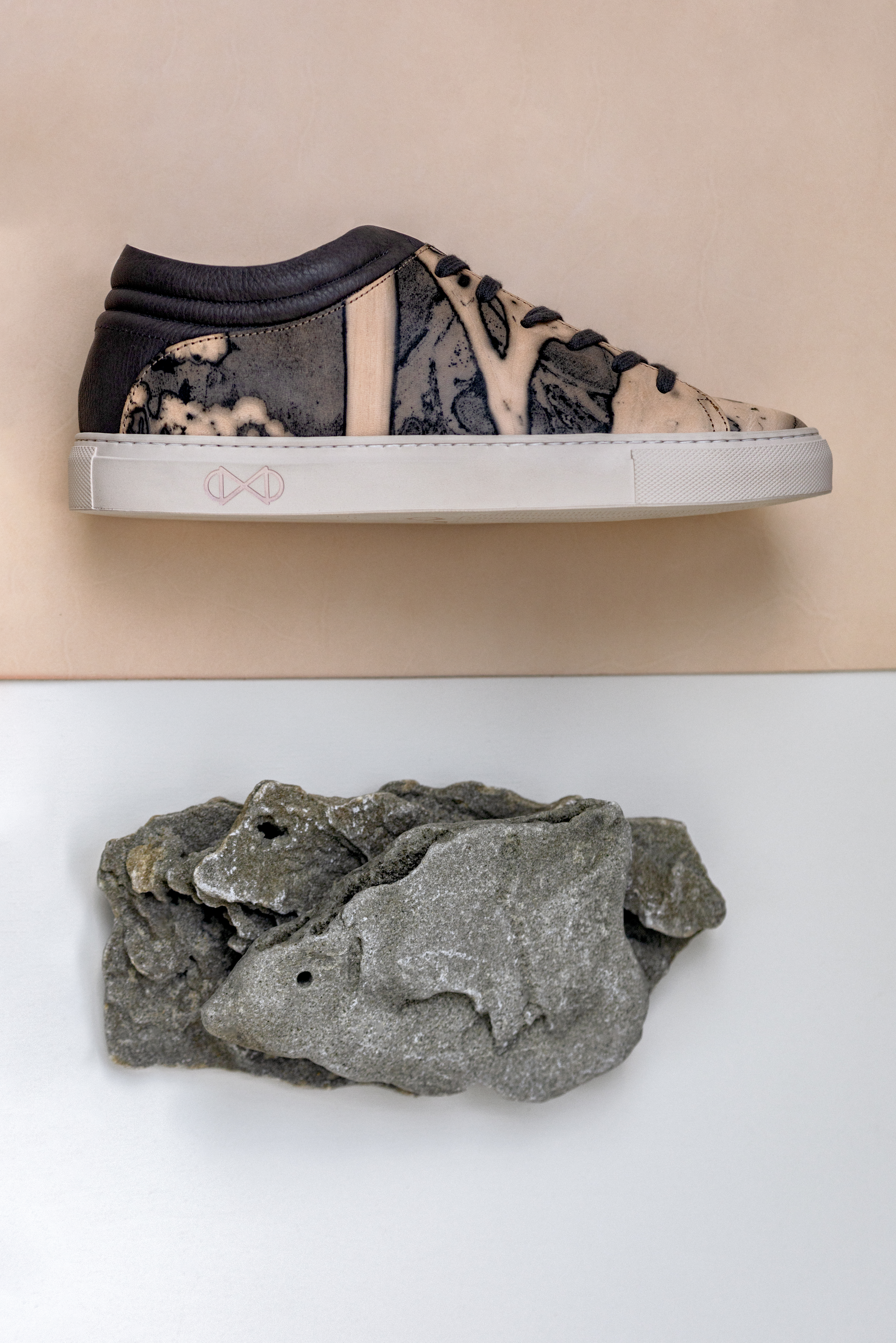
Rusted Leather is a material-based technique developed by the studio as part of an ongoing exploration into the physical and chemical manipulations possible within vegetable-tanned leather. The process creates unique surface patterns through the natural reaction between wet leather and oxidized metal elements. As moisture activates the interaction, traces of rust are transferred onto the surface, producing organic marks and tonal variations that cannot be fully controlled or repeated.
The technique is combined with fresh, natural flowers, allowing botanical imprints to merge with oxidation marks. This layered interaction reinforces the material’s organic origin and examines a natural dyeing approach based on direct contact with living elements.
Emerging from material research, the process highlights time, chance, and transformation — allowing each piece to carry a singular and evolving character.


 nat-2™ | high end sneakers | german engineered by sebastian thies | © 2025